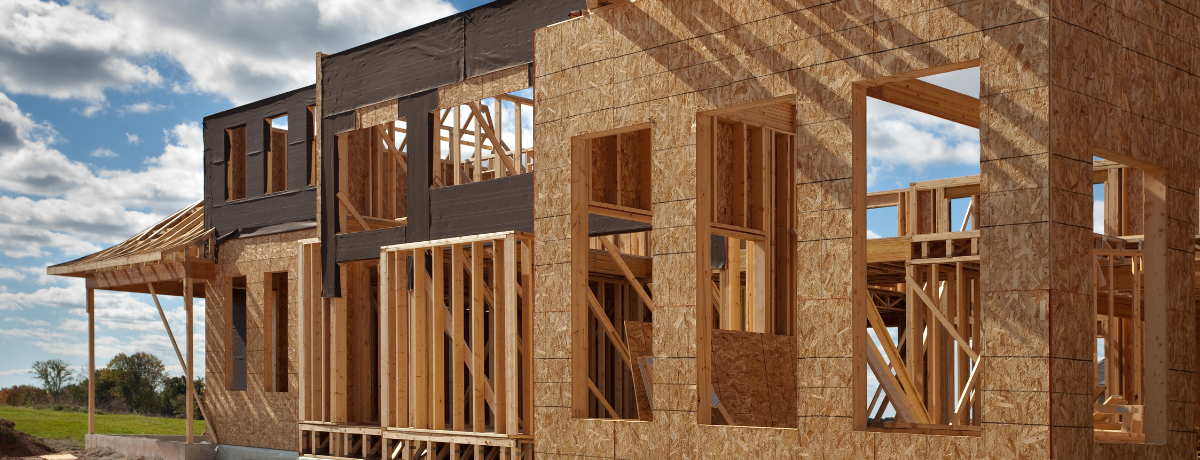
The Colorado Springs Homeowner’s Guide to Getting Summer-Ready

Colorado Springs summers are something of a contradiction. Mornings are often cool enough for a jacket, afternoons can push into the 90s, and an afternoon thunderstorm can drop the temperature 20 degrees in an hour. Compared to Phoenix or Denver, it’s a mild summer climate — but “mild” still means months of heat, air conditioning running hard, and a home that takes real energy to keep comfortable.
Getting ahead of the season means thinking through both efficiency and livability: the systems and insulation that keep cool air in and hot air out, and the interior and outdoor adjustments that make your home feel like the best place to be all summer long.
Start With Your Air Conditioner — Before You Need It
The single most important summer prep task is also the most skipped: testing your AC before the heat arrives. Turn the system on and let it run. Make sure cool air is reaching every room, that the system cycles on and off normally, and that nothing sounds or smells wrong. If you discover a problem in May, you have time to schedule service on your own terms. If you discover it during the first heat wave in July, you’re competing with every other homeowner in Colorado Springs for the same HVAC technicians.
While you’re thinking about the system, replace the air filter. Filters should be changed every 90 days at minimum — and if your system has been running heating all winter, the filter going into summer is already carrying a full season of dust. A clean filter improves cooling output, reduces energy consumption, and extends the life of the equipment. It’s one of the lowest-effort, highest-return maintenance tasks available to any homeowner.
Insulation: Where the Cool Air Actually Escapes
Most people think about insulation in the context of keeping heat in during winter. But insulation works both directions — it keeps conditioned air inside during summer just as effectively. If your home is working harder than it should to stay cool, inadequate or damaged insulation is often the reason.
Three areas deserve attention:
The attic is where most heat gain happens in summer. Hot air rises and accumulates in the attic space, and if insulation or air sealing is inadequate, that heat radiates down into your living areas. Seal any gaps or penetrations in the attic floor that allow hot attic air to migrate into conditioned space — light fixtures, duct penetrations, and access hatches are common culprits.
Exterior walls are the second major surface area. If walls are under-insulated or if insulation has settled or degraded over time, heat transfer through the walls is constant and invisible — you just notice that some rooms never cool down properly no matter how long the AC runs.
The basement tends to hold moisture in summer, which can elevate humidity throughout the home and make a properly cooled house feel warmer than it is. Addressing basement humidity — whether through improved vapor barriers, ventilation, or a dehumidifier — makes a noticeable difference in overall comfort.
If you’re not sure where your home is losing efficiency, a professional home energy audit is worth scheduling before peak summer. An auditor can identify exactly where your insulation gaps, air leaks, and thermal weak points are — and give you a prioritized list of improvements rather than having you guess. In a new construction home, energy audits are less commonly needed, but they’re a valuable diagnostic tool for any home that seems to be working harder than it should.

Windows: Treatments, Film, and Long-Term Upgrades
Windows are a direct conduit for summer heat — a south- or west-facing window in full afternoon sun can transfer enormous amounts of heat into a room, undoing a significant portion of what your AC just worked to accomplish.
The first and most immediate adjustment is behavioral: close blinds and curtains during peak sun hours, particularly on west and south-facing windows where afternoon sun is most intense. Blackout curtains and thermal curtains take this further by adding an insulating layer between the glass and the room — they’re especially effective in bedrooms and home offices where you want consistent temperatures throughout the day.
If you’re replacing window treatments for summer anyway, consider making the swap intentional. Heavier winter drapes can come down and be stored; lighter summer treatments — sheer panels that diffuse rather than block light, or shades in cooler tones — make rooms feel brighter and more open without the heat gain of bare windows.
For older windows that are clearly letting in more heat than they should, Low-E window film is an affordable upgrade that doesn’t require replacement. The film applies directly to existing glass and reflects ultraviolet and infrared radiation while remaining largely transparent — similar to the coating on energy-efficient new windows, but applicable to what you already have.
If your windows are significantly aged and you’re planning a longer-term upgrade, replacing them with Energy Star-rated units is one of the higher-return home improvements available, especially in a climate where both summer heat and winter cold put sustained pressure on the glass.
Fans: Inexpensive, Effective, and Often Misused
Fans don’t cool air — they cool people by increasing the rate of evaporation from skin. That distinction matters because running a fan in an empty room accomplishes nothing except adding heat from the motor. But used correctly, fans meaningfully reduce how hard your AC has to work and how comfortable your home feels.
Ceiling fans should rotate counterclockwise in summer. This pushes the airflow directly downward, creating the wind-chill effect that makes a room feel cooler without changing the actual temperature. Most ceiling fans have a switch or setting on the motor housing that reverses the direction — if yours is currently set to clockwise from winter operation, flip it before summer.
For standard portable or window fans, cross-ventilation is the most effective strategy. Position fans at two windows across from each other — one drawing air in, one pushing air out — to create a genuine airflow through the room rather than just circulating the same air in circles. On Colorado’s cooler mornings and evenings, this can replace AC use entirely and significantly reduce your energy load.
Interior Comfort: Small Adjustments That Make a Real Difference
Beyond systems and equipment, summer comfort at home is also shaped by how your interior spaces feel to move through. A few practical adjustments shift both the perception and reality of how cool and livable your home is.
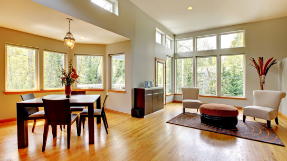
Rearranging furniture away from the walls — and maintaining some open space between large pieces — improves the circulation of cooled air and gives rooms an airier quality that dense, winter arrangements don’t have. This isn’t purely aesthetic: blocked vents and furniture pushed against walls can impede airflow in ways that create warm pockets in otherwise well-cooled rooms.
Take the Outdoor Space Seriously
One of the best things you can do to make summer more enjoyable at home is to create an outdoor space worth spending time in. A clean, comfortable patio setup — a table, seating, some shade from a pergola or umbrella — effectively expands your usable living area during the season when Colorado Springs weather is at its best.
Evenings in Colorado Springs are reliably cooler than the afternoon heat suggests, and a well-arranged outdoor space makes it easy to take advantage of that. The time spent setting it up before summer starts is minimal compared to the return across an entire season of outdoor evenings.
Built for Colorado Living
Every Campbell Home is built with Colorado’s climate in mind — energy-efficient construction, quality windows, and thoughtful design that works with the seasons rather than against them. But even in a well-built home, the annual rituals of checking your systems, managing your windows, and setting your interior up for the season make a meaningful difference in comfort and energy costs.
If you’re still looking for the right home in Colorado Springs, we’d love to show you what we’ve been building this year.