How to Prepare Your Home For Winter as a Homeowner in Colorado Springs
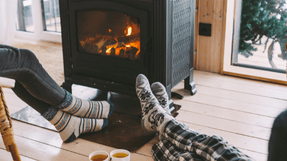
Colorado Springs winters are beautiful — and demanding. The combination of high elevation, dry air, hard freezes, and the occasional heavy snowfall creates conditions that test every part of your home, from the roof down to the root systems in your yard. Getting ahead of the season means the difference between a warm, worry-free winter and a mid-January repair call that could have been avoided entirely.
This guide covers everything: the home systems that need attention before temperatures drop, the weatherproofing details that quietly drain your energy bill, and the outdoor and garden work that determines how well your yard comes back in spring.
Heating System: Don’t Wait for the First Cold Day
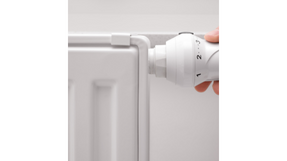
The worst time to discover a problem with your furnace is the first week of real cold. Test your heating system — furnace or heat pump — before temperatures drop and you actually need it. Turn it on, let it run, and make sure warm air is moving through all the vents in the house. If something sounds or smells off, or if the system takes a long time to come up to temperature, call for service before your HVAC company’s schedule fills up with emergency calls.
Replace your air filter while you’re at it. A clogged filter forces the system to work harder, reduces air quality, and shortens the equipment’s lifespan. It takes five minutes and costs a few dollars. Do it now. If your home has a fireplace, have it inspected before you use it for the season.
A professional inspection checks the flue, damper, firebox, and exterior chimney for debris buildup, cracking, and mortar deterioration — all things that create fire hazards when you’re burning wood. If you prefer to do a visual check yourself, look for obvious debris, crumbling mortar, and any overhanging tree limbs that have grown toward the chimney since last season. Any damage you find warrants a professional repair before the fireplace gets used.
Safety Systems: Carbon Monoxide Risk Goes Up in Winter
Winter is statistically the most dangerous season for house fires and carbon monoxide incidents. Both risks increase as homes are sealed tighter against the cold and heating systems run for extended periods.
Test every smoke detector and carbon monoxide detector in your home before winter sets in. Press the test button on each unit and replace any batteries that are running low. Dust and vacuum the exterior vents — accumulated dust can reduce sensor sensitivity. Any detector older than 10 years should be replaced entirely.
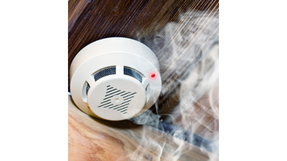
Carbon monoxide deserves special attention in a tightly sealed winter home. CO is odorless and colorless, and it builds up faster in a home that isn’t exchanging air with the outside. If your detectors are old or you’re uncertain about your coverage, this is the time to add units, not after the season starts.
Roof and Gutters: Your First Line of Defense
Snow, ice, and freeze-thaw cycles put real stress on roofing materials. Before the season arrives, do a visual inspection from the ground — or hire someone to go up safely. Look for buckling, lifted, or missing shingles. Check the caulking around flashing, vents, and chimneys; cracked caulk is a common entry point for water. If you see excessive moss growth or any damaged rubber boots around pipe penetrations, those need attention before winter moisture makes them worse.
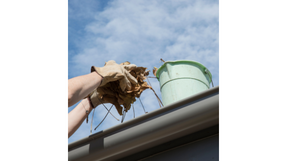
Clean your gutters after the last leaves have fallen and before the first hard freeze. Debris-clogged gutters trap water that freezes into ice dams — ridges of ice that force meltwater back under your shingles and into your home. Clean gutters allow water and snowmelt to drain freely, protecting your fascia, soffits, and foundation. If the idea of climbing a ladder doesn’t appeal to you, it’s one of the more worthwhile tasks to hire out.
Weatherproofing: Stop the Energy Loss Before It Starts
Windows and doors are where Colorado’s cold air finds its way in most easily. Check all window frames and door frames for gaps and deteriorated caulk. For windows showing significant air leakage, shrink film insulation kits are an affordable and effective short-term fix — the film adheres to the frame and shrinks to a tight seal with a heat gun. For a more permanent solution, recaulking the interior and exterior frame edges makes a meaningful difference.

Exterior doors are worth a specific look. A door sweep — the rubber or brush seal along the bottom of the door — is one of the simplest and most underrated weatherproofing improvements available. If you can see daylight or feel a draft at the base of an exterior door, a new sweep costs less than $20 and eliminates the problem immediately.
Pipes, Sprinklers, and Outdoor Water Features
Frozen pipes are one of the more expensive winter surprises a homeowner can face. Before temperatures consistently drop below freezing, insulate any exposed pipes in unheated areas — crawl spaces, garages, and utility areas where cold air can reach the plumbing. Disconnect your hose from the hose bib (outdoor faucet) too. If you’re leaving home for an extended period over the winter, shut off the main water supply and drain the system entirely to eliminate the risk.
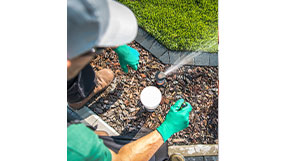
Sprinkler systems in Colorado Springs need to be winterized every year without exception. Drain the water from all lines and insulate the backflow preventer and any above-ground components. Ground temperatures drop below freezing reliably here, and any water left in the system will expand and crack fittings or heads. If your system has a blow-out valve, a professional winterization with compressed air is the most thorough approach.
If you have a pool, follow the manufacturer’s winterization guidelines closely — improper shutdown leads to leaks and freeze damage that can be costly to repair when you open in spring.
Outdoor Furniture and Seasonal Items
Before the first snow arrives, walk through your outdoor living spaces and put everything away properly. Patio furniture left uncovered through a Colorado winter oxidizes, fades, and degrades significantly faster than furniture that’s stored or covered. Drain and store water features — fountains left with standing water will crack when it freezes. Cover or store your grill, and bring in anything that isn’t built to handle prolonged freeze-thaw exposure.

The Yard and Garden: Protecting What You’ve Built
The outdoor work that most homeowners overlook is what happens to the yard and garden before winter locks everything in. Colorado’s dry winters are harder on plants than cold winters in other climates — the combination of freezing temperatures, low humidity, and bright sun causes desiccation damage that looks like frost damage but happens on clear days.
Clear out debris, but be intentional about it. Remove fallen leaves, spent annuals, and old vegetable garden remnants before winter — this material harbors the pests and diseases that overwinter and emerge in spring. At the same time, healthy plant trimmings and organic matter can go into a compost pile or back into garden beds as soil enrichment rather than the trash.
Keep trees and shrubs hydrated through early winter. Before your sprinkler system is winterized and while temperatures are still above freezing during daylight hours, continue to water trees and shrubs manually. Use a hose during the warmest part of the day — typically midday to early afternoon — and disconnect it completely after each use to prevent freezing in the line. Plants need significantly less water than during the growing season; 10–15 minutes once or twice a week is typically adequate. Don’t water when temperatures are near or below freezing, and aim the water at the root zone rather than the foliage.
Adjust turf watering for Colorado’s dry winters. If snowfall is light — less than six inches — water your lawn every 10 to 14 days when temperatures safely allow it. Colorado Springs can go weeks without meaningful precipitation in winter, and turf that dries out completely sustains damage that doesn’t fully recover until midsummer.
Give mature trees and shrubs a late-season nutrient boost. Colorado’s soil is naturally low in nutrients, and winter compounds the stress on established trees. Professional arborists offer root injection treatments using biostimulants — typically sea kelp-based compounds — that support root health through the dormant season. For mature trees that represent significant value in your landscaping, this is a worthwhile investment made in late fall before the ground freezes.
Protect your perennials. Trim back perennials that have finished for the season, but leave ornamental grasses and evergreens standing — they provide visual structure through the winter and offer some insulation to the soil beneath them. Apply a layer of fresh organic mulch over perennial beds and around the base of roses and bulb plantings. The mulch acts as insulation against Colorado’s rapid temperature swings, which can freeze and thaw the ground repeatedly in a single week.
For younger trees, small evergreen shrubs, and anything planted within the last year, consider adding physical protection — burlap wraps or windbreak stakes help buffer against the drying winds that Colorado winters bring, particularly in exposed yards or higher elevations.
A Well-Maintained Home Is a Protected Investment
Everything on this list is a version of the same idea: a little attention before the season starts prevents significant expense after the damage is done. Roofs, gutters, pipes, and plants all respond the same way — they’re resilient when they’re looked after and fragile when they’re not.
At Campbell Homes, we build homes designed for Colorado’s climate — with the materials, construction standards, and attention to detail that stand up to the elevation and the weather. If you have questions about maintaining your Campbell Home through the winter, or if you’re still searching for the right home in Colorado Springs, we’re here to help.