How to Make Your New Build Feel Like Home

You’ve closed on your new home, signed the paperwork, and picked up the keys. Congratulations — that’s a significant moment. And then you walk in, look around at the fresh paint and clean lines and empty rooms, and realize that the next step is entirely yours: turning a beautiful new house into a home that actually feels like you.
A new build has real advantages here. Everything works. Nothing is worn out. There’s no previous owner’s taste baked into the bones of the space. But that blank-slate quality can also feel a little impersonal at first — and the gap between “new house” and “home” is something you close intentionally, one decision at a time.
Here’s how to do it well.
Start Outside: The Yard Sets the First Impression
The exterior of your home is what you see every time you pull into the driveway, and a yard that feels personalized and cared for signals something about the home before you’ve even opened the front door.
New builds in Colorado Springs often come with basic landscaping or a sod allowance, which gives you a solid foundation and a genuine opportunity. Planting fresh flower beds, shrubs, or herbs connects you to the property in a tangible way — there’s something about putting your hands in the soil of a new home that accelerates the sense of belonging. If a full garden project isn’t in the immediate plan, large potted plants at the front door or on the back porch accomplish a similar effect with significantly less effort.
For Colorado homeowners, it’s worth thinking early about your approach to the yard. Traditional turf grass is common, but many Colorado Springs homeowners find that xeriscaping — landscaping designed to thrive in a dry climate with minimal irrigation — offers a more practical and equally beautiful alternative. Drought-tolerant native plants, decorative gravel, and low-water perennials can produce a yard that looks intentional and lush without the water demands of a grass lawn. Turf alternatives are another option if you want a green appearance without the maintenance.
Add outdoor seating and you’ve extended your living space into the Colorado air — which, for most of the year, is exactly where you’ll want to be.
Make the Walls Yours
A freshly painted new build typically comes in neutral tones — white, warm beige, soft gray. That neutrality is practical during construction and genuinely useful as a starting point, but it doesn’t have much personality on its own. How you treat your walls is one of the highest-impact decisions you’ll make in the early months.
Hanging personal photographs and meaningful artwork is the most direct way to signal that this is your home. Family portraits, travel photos, your children’s drawings matted and framed — these aren’t decorating clichés, they’re the visual shorthand for what a home actually is. A family heirloom or vintage piece of furniture given a prominent place does the same thing: it brings history into a brand-new space and grounds it.
Beyond what you hang, consider what you paint. Adding a deeper, more personal color to one or two walls — or even just an accent color on a door, window trim, or molding — creates a distinctly different atmosphere from the builder’s palette. You don’t need to repaint the entire home to make a meaningful change.
Textured wall treatments are a strong current trend for exactly this reason: textured wallpaper, plaster finishes, and limewash paint add a layer of visual depth and warmth that flat paint can’t replicate. Even one textured wall in a main living space changes how the room reads.
Campbell Homes interior designer Ty Strugalski puts it well: “I like to mix new trends with classic styles, different textures, and try to find color palettes that are close to traditional but not quite. Pushing the envelope is fun and can turn out amazing just as long as you don’t push it too far.”
That philosophy — confident personalization without overcorrection — is a good guide for any new homeowner.

Light the Space Well
Lighting is one of the most underestimated variables in how a home feels. Bright, flat overhead lighting makes spaces feel clinical. Layered, warm, well-placed lighting makes them feel inviting. If your new build came with standard builder-grade fixtures, swapping one or two of them out is one of the highest-return customizations you can make.
Sculptural pendant lights over a kitchen island, an oversized chandelier in a dining room, or an artistic floor lamp in a living room corner all do double duty: they provide functional light and serve as design statements. These don’t have to be expensive — what matters is that they reflect a considered aesthetic rather than a default choice.
Beyond fixtures, revisit your window treatments. The right curtains or blinds change how natural light enters a room, affect privacy, and contribute significantly to the overall look. If the windows feel bare and the rooms feel exposed, window treatments are often the fastest fix.
Bring Nature In
Biophilic design — the principle of bringing natural elements into interior spaces — has moved from a niche concept to mainstream practice for a straightforward reason: it works. Spaces with plants, natural materials, and good connections to outdoor views consistently feel more calming and livable than spaces without them.
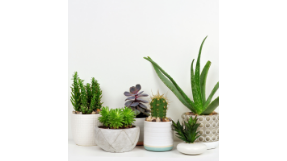
Houseplants are the most accessible entry point. They reduce stress, improve air quality, and add organic texture that no amount of furniture or art fully replicates. Position them where they’ll thrive — near windows with adequate light — and start with low-maintenance varieties if you’re not an experienced plant keeper. If fresh plants feel like a commitment, rotating fresh-cut flowers in a few vases around the home achieves much of the same visual warmth with less upkeep.
Natural materials in other forms — wood finishes, stone accents, linen textiles, wicker or rattan pieces — extend the same principle throughout the home without requiring a living thing to keep alive. A home that incorporates natural textures alongside its manufactured finishes has a quality of depth that purely synthetic interiors tend to lack.
Add Softness and Texture
The physical comfort of a home is communicated more through soft furnishings than almost anything else. Throw pillows and blankets on sofas and chairs, layered rugs on hard floors, curtains with some weight to them — these are the elements that make a space feel genuinely inviting rather than just visually appealing.
In a new build with clean lines and uniform finishes, texture does the heavy lifting. A chunky knit throw, a patterned area rug, cushions in contrasting fabrics — these additions don’t require a significant budget or a decorator, and their effect on how a room feels is immediate. This is also an area where current trends align well: quiet luxury aesthetics emphasize natural fabrics, understated patterns, and quality over visual noise.
Scent, Familiarity, and the Sensory Details
Home isn’t just visual. Scent is one of the most direct pathways to a sense of comfort and belonging, and a new build — however beautiful — smells like construction materials and fresh paint until you make it smell like yours. Candles, diffusers, and fresh flowers all work quickly. So does baking something in the oven — the smell of chocolate chip cookies or fresh bread in a new kitchen is a faster way to claim a space than almost anything else.
Equally powerful is the deliberate placement of familiar objects from your previous home. A lamp that sat on your grandmother’s bedside table. A quilt that’s been on the guest bed for twenty years. An art piece that hung in every home you’ve lived in. These objects carry emotional weight that nothing new can replicate, and placing them intentionally in your new home builds continuity between the life you’ve lived and the one you’re beginning here.

Customize the Small Details
It can feel overwhelming to think about decorating an entire house at once — and it should feel that way, because it genuinely is a lot. The good news is that small, targeted changes have a disproportionate effect.
Swapping out builder-standard hardware or adding hardware — cabinet pulls, door handles, faucets — that reflect your aesthetic costs relatively little and changes how the entire kitchen or bathroom reads. Replacing a standard light fixture with something more distinctive takes an hour and changes a room. Custom shutters, upgraded blinds, or a new interior door can become the design statement in a hallway that would otherwise be forgettable.
Work through the house incrementally rather than trying to complete it all at once. The homes that feel most personal are usually assembled over time — a piece here, an upgrade there — rather than purchased wholesale on a single shopping trip.
Get Organized From the Start
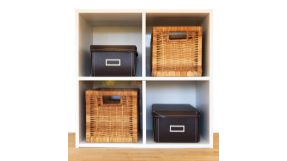
This one is less glamorous than paint colors and pendant lights, but it matters for how a home feels on a daily basis: establish your storage and organization systems early, before chaos has a chance to settle in. The first few weeks in a new home are the best opportunity you’ll have to decide where everything lives — and the decisions you make (or don’t make) in that window tend to stick.
A home where everything has a place and returns to it is a home that feels calm and functional rather than perpetually in progress. That feeling is a significant part of what makes a space feel truly livable.
Don’t Forget Your Pets
If you have animals, build their setup into the move from the start. Familiar beds, bowls, and toys placed in their spots early gives pets the same kind of sensory anchoring that familiar objects give people. A settled pet is noticeably less stressed, and that energy carries through to the household. Give them time to explore and adjust — most animals establish comfort with a new home within a few weeks when the transition is handled thoughtfully.
Make It Official
When the home starts to feel ready — or even before it fully does — invite people in. A housewarming gathering, even a small one, does something that decorating alone cannot: it fills the space with people you care about and begins the accumulation of memory that ultimately transforms a house into a home. Send out moving announcements, host a dinner, open the door to the neighborhood. The house becomes yours not just through what you put in it, but through what happens inside it.
This Is What We Build Toward
At Campbell Homes, we’ve spent more than 60 years building homes for Colorado Springs families — and we’ve seen enough of them lived in to know that the structure and finishes are just the beginning. What makes a home is everything that comes after: the choices, the objects, the people, the life built inside the walls.
If you’re still looking for the right new build to make your own, we’d love to show you what’s available.