The Hidden Costs of Resale Homes vs. New Construction in Colorado Springs
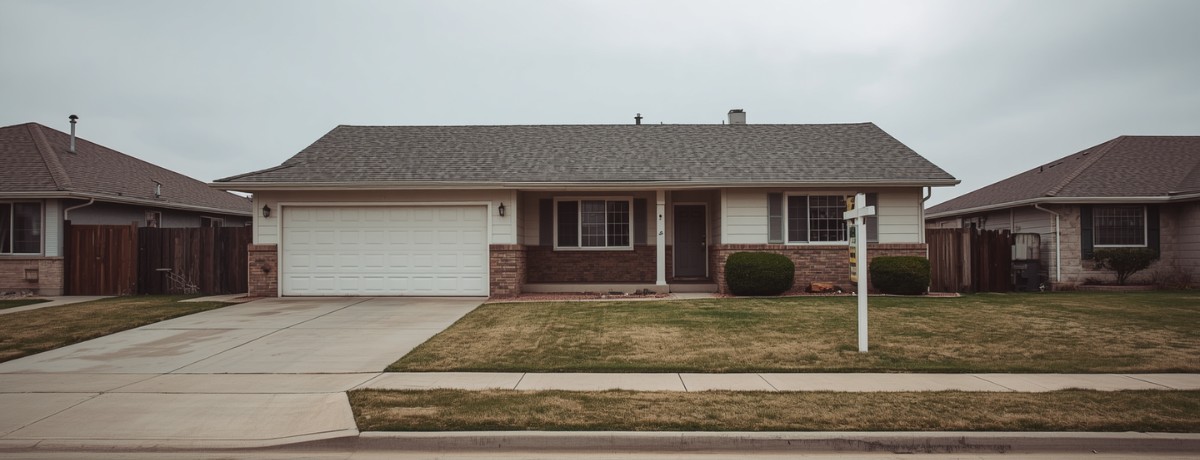
The sticker price on a resale home almost always looks better than the price tag on a new build. But the number on the listing is rarely the number you actually pay. Between the inspection, the repairs nobody mentioned at showing, the system that fails eighteen months after closing, and the utility bills that come with 1990s insulation, resale homes carry a long list of costs that don’t show up until you already own the house.
New construction homes in Colorado Springs come with a different cost structure entirely — one that’s more visible upfront and, in most cases, far less expensive over the first several years of ownership. Here’s what actually separates the two, category by category.
What Are the Hidden Costs of Buying a Resale Home?
A resale home’s purchase price covers the house as it stands today — including everything the previous owner didn’t get around to fixing.
Inspection and immediate repair costs. Roofs, water heaters, furnaces, and electrical panels all have a shelf life, and in an older Colorado Springs home you’re often buying whatever years they have left. A furnace with five years of service left isn’t a defect a seller has to disclose — it’s just age. Buyers routinely budget for a new roof or HVAC system in the first one to three years of owning a resale home, on top of the purchase price.
No builder warranty. Once you close on a resale home, you own every system in it, full stop — no matter how old. If the water heater fails in month four, that’s a homeowner expense. Compare that to new construction, where a builder’s Limited Warranty typically covers material and workmanship defects, and major systems like electrical, plumbing, and HVAC for an extended period after closing.
Deferred maintenance you can’t see. Paint and staging hide a lot. A home may even be marketed as “recently renovated” and during your quick showing it looks good. Later you realize it was all poorly done and now it’s your problem to fix. Foundation settling, moisture intrusion, or a poorly patched roof leak can be invisible until an inspector — or a much bigger repair bill — finds them. Colorado Springs’ clay and expansive soils make foundation movement a real consideration in older homes that weren’t built to current soil-engineering standards.
Higher utility bills. Building codes have tightened significantly over the past two decades. Older resale homes often have thinner insulation, single-pane or early double-pane windows, and less efficient HVAC equipment — all of which show up as a higher monthly utility bill for as long as you own the home.
No builder incentives. A private seller isn’t going to offer you a rate buydown, a design credit, a gourmet kitchen upgrade or help with closing costs the way a builder can. In a competitive resale market, you’re also more likely to be in a bidding situation with no leverage to negotiate repairs or price.
HOA and neighborhood unknowns. Established communities can carry special assessments, aging shared infrastructure, or HOA reserve shortfalls that aren’t obvious until after you’re a homeowner.
What’s Actually Included in a New Construction Home’s Price?
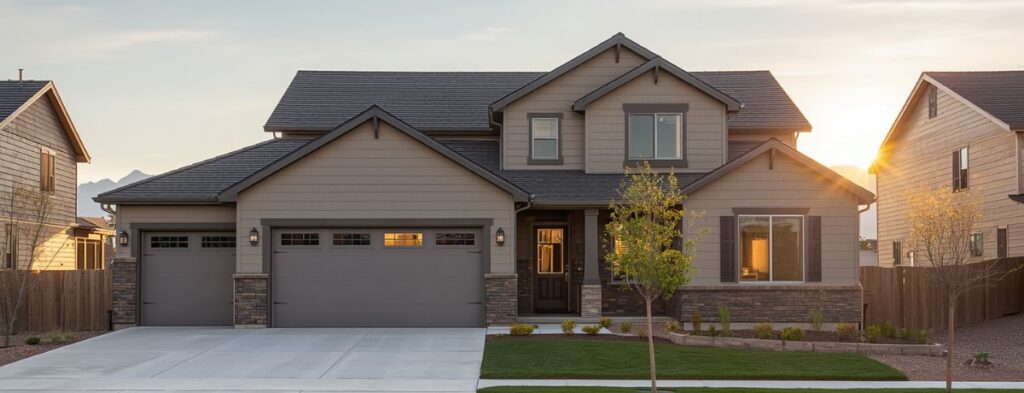
New construction costs more to build, and the price reflects it — but a lot of what resale buyers pay for later is already built into that number.
A real warranty, from day one. At Campbell Homes, coverage runs in layers: workmanship and materials for the first year, major systems like electrical, plumbing, HVAC, and data wiring for two years, and structural components — foundation and framing — for eight years from your closing date. You can see exactly how each layer works, what’s covered, and how to file a claim in our warranty process guide.
Energy efficiency baked in. New homes are built to current energy codes with modern insulation, efficient HVAC systems, and better-sealed building envelopes — which means a lower utility bill from the first month, not a renovation you have to fund later.
Builder incentives on financing. Builders regularly offer flex cash, design center credits, promotional upgrades or preferred-lender rate programs that a private resale seller simply can’t match. Current offers across our communities are listed on our promotions page — these change periodically, so it’s worth checking what’s active before you compare numbers.
Personalization instead of compromise. With a semi-custom floor plan, you’re choosing your finishes, layout, and upgrades — not paying to undo someone else’s. Our guide on popular upgrades that add real value breaks down where buyers get the most for their money.
No unknown history. Every system in a new build is new. No mystery repairs, no undisclosed water damage, no guessing what a previous owner did or didn’t maintain.
Resale vs. New Construction: Cost Comparison at a Glance
| Cost Category | Resale Home | New Construction |
| Warranty coverage | None (unless separately purchased) | Builder Limited Warranty: 1-year workmanship, 2-year systems, 8-year structural |
| Major systems (HVAC, roof, water heater) | Unknown remaining lifespan | New, under warranty |
| Energy efficiency | Often built to older codes | Built to current, more stringent, energy codes |
| Financing incentives | Rare, seller-dependent | Common: flex cash, design credits, free upgrades, rate programs |
| Repair/inspection contingency | Often required, cost unknown until inspection | Minimal — home is new |
| Personalization | Limited to what’s already built | Semi-custom selections and upgrades |
| HOA/community unknowns | Established assessments possible | Transparent from time of purchase |
How Colorado Springs’ Climate Adds to Resale Home Costs
Local conditions make some of these hidden costs more likely here than in other markets. Expansive clay soils common across El Paso County can cause foundation movement in homes that weren’t engineered for it, and Colorado’s freeze-thaw cycles and hailstorms are hard on older roofing materials. A builder with decades of experience in the local market accounts for soil conditions and weather patterns at the design and construction stage — something a resale home built to an older standard simply wasn’t.
Is New Construction Actually Worth More Than a Resale Home?
When you add up warranty coverage, lower utility bills, fewer near-term repairs, and builder incentives, the true cost of ownership on a new construction home is frequently lower than the resale price gap suggests — even when the sticker price is higher. That’s the calculation worth running before assuming resale is the “cheaper” option. For a deeper look at how the numbers compare across financing, features, and long-term costs.
Where to Find New Construction Value in Colorado Springs
Campbell Homes builds across three desirable communities, each offering a different lifestyle and lot profile:
- Jackson Creek (Monument) — quarter- to one-third-acre homesites with a 3-car garage standard, and 4-car or RV/toy garage available, close to top-rated schools.
- Meridian Ranch (Falcon) — a lively master-planned community with indoor and outdoor pools, trails, and golf at Antler Creek Golf Course.
- Vista Grande (Colorado Springs) — homes in the $500s with 2–3 car garages and finished basements, close to parks, restaurants, shopping and amenities
If you’d rather skip the wait, browse our current quick move-in homes — new construction with the built-in cost advantages above, ready sooner. If you want to select your own lot, layout and finishes, explore our semi-custom floor plans.
Ready to compare your real numbers? Contact our team for a side-by-side look at what a new Campbell home costs to own versus a resale property in the same neighborhood.
Frequently Asked Questions
What hidden costs come with buying a resale home? The most common are near-term repair or replacement costs for aging systems (roof, HVAC, water heater), higher utility bills from outdated insulation and windows, no builder warranty, and unknown maintenance history.
Does a new construction home come with a warranty? Yes. Campbell Homes provides a Limited Warranty covering workmanship and materials for one year, major systems like electrical, plumbing, and HVAC for two years, and structural components for eight years from the closing date.
Are new homes more energy efficient than resale homes? Generally, yes. New homes are built to current energy codes with modern insulation, windows, and HVAC systems, which typically results in lower monthly utility costs compared to older resale homes built to older standards.
Is it cheaper to buy a resale home or build new in Colorado Springs? The purchase price of a resale home is often lower, but once warranty coverage, near-term repairs, energy costs, and builder incentives are factored in, the true cost of ownership gap narrows significantly — and can favor new construction.
What incentives do new home builders offer that resale sellers typically don’t? Builders can offer flex cash, design center credits, free upgrades, and preferred-lender financing programs. Current incentives across Campbell Homes communities are listed on our promotions page.
How long does a Campbell Homes warranty last? Coverage runs in three layers from the closing date: one year on workmanship and materials, two years on major systems, and eight years on structural components like the foundation and framing.

5 Key Takeaways
- The Hidden Costs Of Buying A Resale Home: While resale homes often have a lower purchase price, buyers may face hidden costs such as immediate repairs, no builder warranty, deferred maintenance, higher utility bills, fewer financing incentives, and unexpected HOA or neighborhood expenses that increase the true cost of ownership.
- What Is Really Included In A New Construction Home’s Price: Although new construction homes typically have a higher upfront price, they include valuable benefits such as comprehensive warranty coverage, energy-efficient features, builder financing incentives, personalization options, and brand-new systems that reduce long-term costs and uncertainty.
- Cost Comparison: Compared to resale homes, new construction offers greater value through warranty protection, new and energy-efficient systems, builder incentives, fewer repair uncertainties, personalization options, and more transparent community costs.
- Climate’s Impact On Cost: Colorado Springs’ expansive soils, freeze-thaw cycles, and frequent hailstorms can increase maintenance costs for older resale homes, while new construction is designed to withstand these local environmental conditions.
- Finding New Construction Value In Colorado Springs: Campbell Homes offers new construction across three Colorado Springs-area communities, with options ranging from quick move-in homes to semi-custom floor plans, helping buyers find a home that fits their lifestyle while maximizing long-term value.